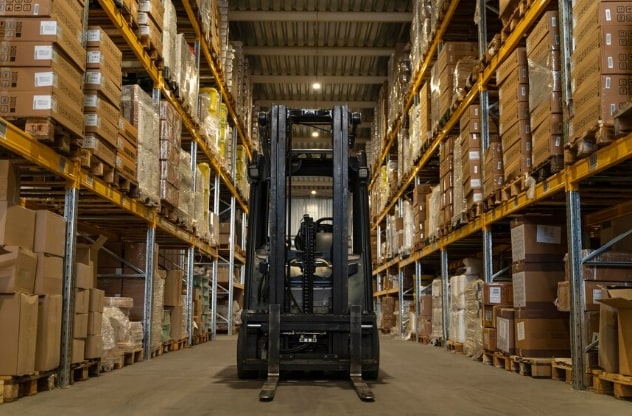
Choosing a warehouse in a major urban hub like New York City, NY, involves more than just selecting an available facility. The decision can significantly impact logistics efficiency, customer satisfaction, and overall operating costs. For businesses scaling up or optimizing operations, identifying a strategically located, well-equipped warehouse becomes crucial.
Here are some steps to consider:
1. Assess Storage and Operational Requirements
The first step in identifying a suitable warehouse in New York is evaluating what needs to be stored and how. Perishable goods require climate-controlled facilities. E-commerce operations need rapid pick-and-pack capabilities. Bulky items call for higher vertical storage or loading dock access. Determining pallet counts, weight limits, and turnover rates helps narrow down the right fit from the start.
2. Evaluate Location and Accessibility
One of the biggest advantages of securing a warehouse in New York is proximity to key markets, airports, and ports. However, not all locations offer the same level of logistical convenience. Warehouses located in outer boroughs or nearby areas like Long Island City or the Bronx can offer a balance between space and access. Look for proximity to major highways, freight routes, and public transport hubs to ensure efficient movement of goods.
3. Consider Technology Integration
Today’s warehouses go beyond shelving space. Modern facilities should offer real-time inventory tracking, barcode systems, security integrations, and warehouse management systems (WMS). These features improve inventory accuracy and reduce human error. When selecting a warehouse in New York, businesses should look for facilities that support integrations with e-commerce platforms, ERP systems, and custom logistics dashboards.
4. Prioritize Scalability and Flexibility
Business needs evolve. A warehouse solution should offer flexibility to scale storage space up or down based on seasonal demand or business growth. Shared warehousing models or facilities with modular storage plans provide options for expanding capacity without the overhead of long-term contracts.
5. Verify Safety and Compliance Standards
New York has stringent zoning laws, fire regulations, and environmental requirements. A reputable warehouse in New York should comply with OSHA standards, maintain up-to-date fire safety protocols, and be transparent about insurance coverage. Safety also includes 24/7 surveillance, restricted access controls, and trained staff for material handling.
6. Look Into Value-Added Services
Value-added warehousing services can provide a competitive edge. Kitting, labeling, cross-docking, and reverse logistics are increasingly vital in sectors like fashion, electronics, and retail. When evaluating a 3pl warehouse provider, check for on-site capabilities that can reduce the need for additional logistics partners.
7. Analyze Pricing Structure and Contract Terms
Transparent pricing with no hidden fees is essential. Beyond monthly rent, assess costs related to labor, utilities, equipment usage, and peak season surcharges. Flexible contract terms that allow periodic reviews or exit clauses offer added assurance for growing or shifting businesses.
Meet Business Demands with the Right Partner in New York!
Let Warehousing NYC by Best provide storage and logistics solutions built for operational performance. From B2B distribution to e-commerce and overflow support, every service is tailored to real business needs. With warehouse options based in NYC, expect efficient, precise handling that keeps operations on track, right where it counts.
Reach out to get started today!
Warehousing NYC By Best
106 Bowery, New York, NY 10013, United States
Phone Number: +19175405465