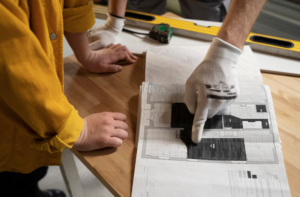
Hiring a contractor for your home renovation or construction project can be an exciting yet daunting experience. Effective communication is crucial to ensuring your project runs smoothly and meets your expectations. Here are five essential tips to help you communicate effectively with your contractor.
1. Clearly Define Your Expectations and Goals
One of the most critical aspects of working with a contractor is to clearly define your expectations and project goals from the outset. This includes:
- Detailed Scope of Work: Provide a detailed description of the work you want to be done. Include specifics such as materials, finishes, and any particular design elements you desire.
- Timeline: Establish a realistic timeline for the project. Discuss the start date, milestones, and expected completion date.
- Budget: Be upfront about your budget. Make sure your contractor understands the financial limits and agrees to work within them.
2. Maintain Regular Communication
Regular communication is key to keeping your project on track. Here’s how you can do it:
- Scheduled Meetings: Arrange regular meetings with your contractor to discuss progress, address any concerns, and make necessary adjustments.
- Daily Updates: If possible, request daily or weekly updates on the project’s status. This can be done through email, text messages, or phone calls.
- Open Door Policy: Encourage your contractor to reach out to you whenever they have questions or encounter issues. Being approachable helps in resolving problems quickly.
3. Be Open to Suggestions
While it’s important to have a clear vision for your project, being open to your contractor’s suggestions can lead to better results. Contractors have the expertise and experience to offer valuable insights and alternatives that you might not have considered. Here’s how to be receptive:
- Listen Actively: Give your contractor the opportunity to share their ideas and feedback.
- Ask Questions: Don’t hesitate to ask for clarification or more information about their suggestions.
- Weigh Options: Consider the pros and cons of different approaches before making a decision.
4. Document Everything
To avoid misunderstandings and disputes, document all aspects of your project. This includes:
- Contracts: Have a written contract that outlines the scope of work, timeline, payment schedule, and other essential details.
- Change Orders: Document any changes to the original plan in writing. This includes alterations to materials, timelines, or budget.
- Receipts and Invoices: Keep records of all payments made to your contractor and any materials purchased.
5. Address Issues Promptly
No project is without its challenges. When issues arise, addressing them promptly can prevent minor problems from escalating into major setbacks. Here’s how to handle issues effectively:
- Stay Calm: Approach problems with a calm and composed attitude. Getting angry or frustrated can hinder productive communication.
- Identify Solutions: Work with your contractor to find practical solutions to the problem.
- Be Decisive: Once a solution is identified, make decisions quickly to keep the project moving forward.
Partnering for Success
Effective communication with your contractor is essential for a successful home renovation or construction project. By clearly defining your expectations, maintaining regular communication, being open to suggestions, documenting everything, and addressing issues promptly, you can foster a positive working relationship and ensure your project meets your goals.