When it comes to household safety and functionality, one of the most overlooked components is the electrical panel. Also known as a breaker box or service panel, it acts as the central hub that distributes electricity throughout a home. If the lights flicker or a circuit trips, the first place to investigate is often the panel.
For homeowners unfamiliar with this box of switches and wires, understanding the basics can make a big difference—not only in staying safe but also in recognizing when it’s time to call a professional.
1. What Is an Electrical Panel?
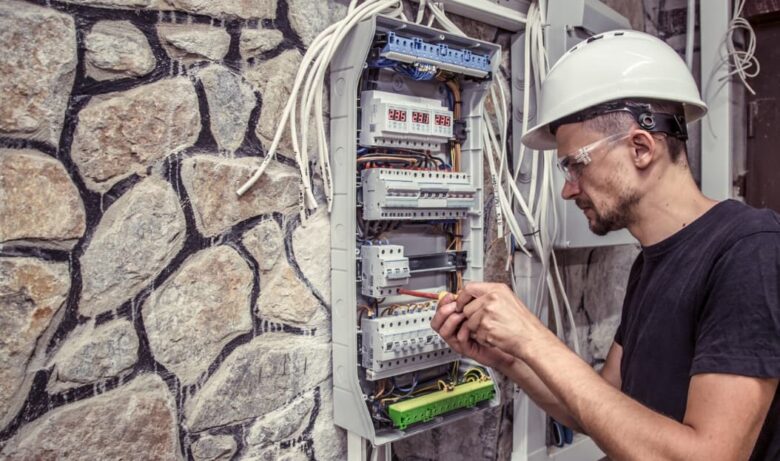
An electrical panel is the main distribution point for electrical circuits in your home. Power from the utility company flows through the meter and into this panel. It then branches out to various parts of the home via circuit breakers, each protecting a specific area or appliance.
Breakers serve two essential functions: they control power flow and protect the wiring from overloads. If too much current flows through a circuit, the breaker automatically shuts off to prevent overheating or fire.
2. How to Identify Breakers and Their Purpose
Inside the panel, each breaker is labeled (or should be). These labels indicate which rooms or appliances they control—like “Kitchen outlets” or “HVAC.” Accurate labeling is crucial for troubleshooting or safely cutting power during repairs.
If labels are missing or unclear, a licensed electrical contractor in Newtown, CT can inspect and label your panel for clarity and safety.
3. When to Upgrade or Replace Your Panel
Older homes often have panels with limited capacity, which can be dangerous if modern appliances overload the system. Signs you may need an upgrade include:
- Frequent breaker trips
- Flickering lights
- Use of multiple extension cords
- A panel older than 25 years
If you’re experiencing these issues, consulting an electrical contractor in Newtown, CT can help determine whether a full panel upgrade is necessary. Newer panels offer higher capacity, advanced safety features, and compatibility with smart home systems and EV chargers.
4. Safety Tips for Homeowners
While basic knowledge is helpful, electrical panels can pose serious hazards. Keep these tips in mind:
- Never touch exposed wires or terminals.
- Keep the area around the panel clear.
- Don’t try to replace breakers yourself.
- Avoid overloading outlets connected to a single circuit.
If in doubt, schedule an inspection with an experienced electrical contractor in Newtown, CT to ensure your home meets current safety codes and performance standards.
5. Routine Maintenance & Inspections
Like any part of your home, panels need occasional attention. A yearly inspection can uncover corrosion, loose connections, or signs of wear. Even small issues can escalate if ignored. Preventive maintenance by a trusted electrical contractor in Newtown, CT helps avoid emergencies and extends the life of your system.
Protect Your Home’s Power—Schedule a Panel Inspection Today!
Keeping your electrical system in peak condition starts with understanding your panel—and taking action when issues arise. Whether you’re dealing with an outdated unit or just want peace of mind, professional support matters.
Call on Enterprise Electric for expert service in Newtown, CT. With deep experience and a commitment to safety, Enterprise Electric delivers reliable inspections, repairs, and upgrades to keep your home running efficiently. Serving Newtown, CT residents with top-tier electrical solutions, this team ensures your power system is as dependable as your home deserves.
Don’t wait for a blown fuse or tripped breaker to act. Secure an assessment from Enterprise Electric today in Newtown, CT!